

close
Choose Your Site
Global
Social Media
Views: 0 Author: Site Editor Publish Time: 2026-02-09 Origin: Site


In the modern food production industry, a pizza production line is a crucial investment for businesses looking to scale up their pizza manufacturing process. These lines are designed to automate and streamline the various stages of pizza production, from dough preparation and topping application to baking and packaging. By integrating advanced technologies and machinery, pizza production lines can significantly increase output, reduce labor costs, and improve consistency in product quality. For businesses, understanding the cost of a pizza production line is essential, as it helps in making informed decisions regarding capital investment. The right production line can lead to higher efficiency, faster production rates, and a better return on investment. Therefore, analyzing the cost factors and aligning them with business needs is critical for ensuring the profitability and sustainability of pizza manufacturing operations.
The size and capacity of a pizza production line are directly related to its cost. Smaller production lines, suitable for low-volume production, are more affordable, whereas larger, high-volume systems require more advanced machinery and infrastructure, thus increasing the cost. A high-capacity line needs additional equipment such as larger ovens, bigger conveyors, and more extensive packaging solutions. Businesses must consider their expected production volumes to avoid paying for excess capacity that won’t be fully utilized.
Automation's Impact on Production Line Cost
Automation is a major factor in the pricing of a pizza production line. Fully automated systems, which reduce the need for manual labor and improve consistency, typically come with a higher upfront cost. However, automation can lead to substantial long-term savings in labor costs and improved production speeds. Features such as robotic topping application, automated ovens, and conveyor systems for efficient transport are commonly integrated into advanced lines. These technological improvements contribute significantly to the overall cost, but they also offer increased efficiency and output.
Customizing Production Lines for Specific Needs
Customization is often necessary for businesses with unique production requirements, and it can drive up the cost of a pizza production line. Whether adjusting the size of the machinery, adding specialized features (such as for gluten-free or vegan pizza), or creating tailored systems for specific production needs, the more customized the solution, the higher the price. While customized lines offer flexibility and can increase efficiency, businesses should carefully assess their needs to avoid unnecessary expenses on features they may not require.
The Importance of Quality Materials in Production Line Durability
The materials used in constructing a pizza production line also impact its cost. High-quality materials, such as durable stainless steel and corrosion-resistant parts, are more expensive but improve the longevity and reliability of the equipment. While opting for lower-cost materials can reduce initial investment, it may lead to higher long-term costs due to more frequent repairs and replacements. High-grade materials help to minimize downtime, increase the operational lifespan of the machinery, and reduce maintenance costs, making them a worthwhile investment in the long run.
The Influence of Brand Reputation and Expertise on Cost
Well-established brands and manufacturers with a reputation for quality and reliability often charge higher prices for their pizza production lines. These manufacturers provide benefits such as comprehensive customer service, extended warranties, and robust after-sales support, which add to the overall cost but provide peace of mind for businesses. Additionally, brands that incorporate the latest technological innovations and ensure high standards of production tend to command a premium. Although opting for lesser-known brands might be more budget-friendly, it often comes at the risk of lower reliability and limited support, which could lead to higher costs down the line.
Pizza production lines differ in price depending on capacity, automation, and features:
Low Range Lines: Basic systems for small businesses, including essential machinery like dough rollers and simple conveyors.
Mid Range Lines: Semi automated systems with more reliable components and faster speeds, ideal for regional production.
High Range Lines: Fully automated, high capacity systems with advanced controls and robotic systems for industrial manufacturers.
Entry Level Lines: Cost between $30,000 to $80,000, ideal for small businesses and bakeries.
Mid Range Lines: Typically range from $80,000 to $250,000, offering a balance of automation and speed.
High Range Lines: Prices range from $250,000 to $600,000+, designed for large scale production with maximum efficiency.
Lower cost lines have more manual labor and slower output, leading to higher long term costs. Mid range lines offer a balance of price and speed, suitable for growing businesses. High range lines, though expensive, offer high automation and efficiency, leading to faster ROI for large-scale producers. Choosing the right line depends on your production needs and budget.
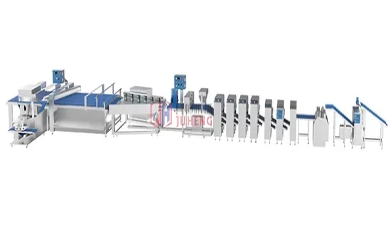
Routine maintenance is essential to keep a pizza production line running smoothly. These costs include periodic cleaning, lubrication of moving parts, calibration of automated systems, and general inspections to ensure proper functioning. Maintenance typically occurs on a scheduled basis, such as weekly, monthly, or quarterly, depending on the complexity of the system. While these costs are relatively low compared to major repairs, they help prevent more expensive downtime and ensure consistent production.
As production lines age or experience wear and tear, the need for spare parts and repairs increases. Common spare parts include conveyor belts, heating elements, and sensors, which may need replacing after extended use. Repair services, including emergency repairs or technical support, may also be required to minimize downtime.
System upgrades, such as software updates or hardware replacements, may be necessary to keep up with technological advancements or improve efficiency. These upgrades can involve a significant investment, especially for high-tech systems, but they can lead to long-term cost savings by enhancing performance and extending the equipment’s lifespan.
Investing in a pizza production line can deliver substantial long-term returns by increasing production capacity, improving product consistency, and reducing labor costs. Automation reduces the need for manual labor, leading to lower payroll expenses. Additionally, high-capacity lines can produce a larger volume of pizzas in a shorter amount of time, leading to higher revenue generation. Over time, businesses can also benefit from increased efficiency, reduced wastage, and better quality control, which further boosts profitability.
To calculate the ROI for a pizza production line, consider the following factors:
Production Volume: The increased output from automation leads to higher production rates. The ROI can be calculated by comparing the production volume before and after implementing the new line and determining how much additional revenue is generated.
Efficiency Gains: Automation improves speed and reduces errors. Faster production cycles reduce downtime, and less human intervention leads to fewer mistakes, which helps save costs on rework and waste.
Cost Savings: Labor savings, reduced material wastage, and lower maintenance costs contribute to the overall savings. Businesses should track the reduction in operating costs over time as a result of these efficiencies.
It typically includes equipment for dough preparation, topping application, baking, and packaging, with additional costs for installation and training.
Installation can take from a few days to several weeks, depending on the complexity and size of the system.
Yes, many manufacturers offer financing options, including leasing and payment plans, to ease the purchase burden.
Efficient maintenance, energy-saving technologies, and process optimization can help minimize long-term operating costs.
Investing in a pizza production line is a crucial decision that can significantly improve efficiency, scalability, and profitability for businesses in the food manufacturing industry. The cost of a production line varies depending on factors such as size, automation level, customization options, material quality, and the brand or manufacturer. By carefully evaluating these aspects, businesses can choose a production line that aligns with both their budget and production requirements. While the initial investment can differ, selecting the right production line can lead to substantial long-term savings through enhanced production efficiency, reduced labor costs, and higher output. Furthermore, by accurately calculating the return on investment (ROI), businesses can better understand the financial impact and potential for growth. Ultimately, understanding the breakdown of costs and the benefits they bring will enable businesses to make a well-informed decision, ensuring they choose the most suitable pizza production line to optimize their operations and achieve sustained success.


